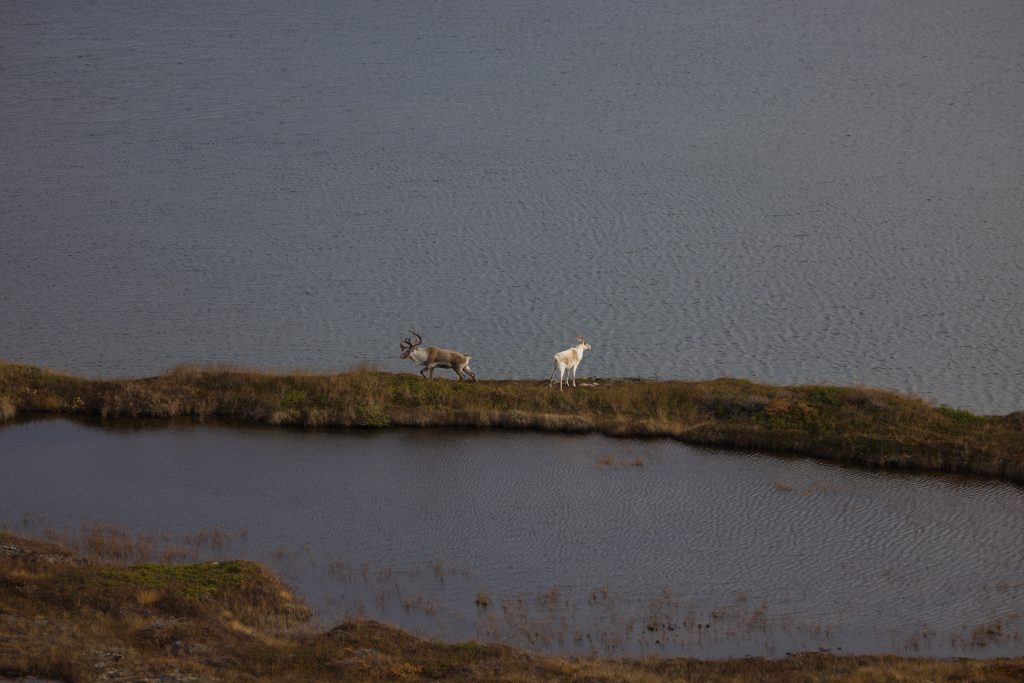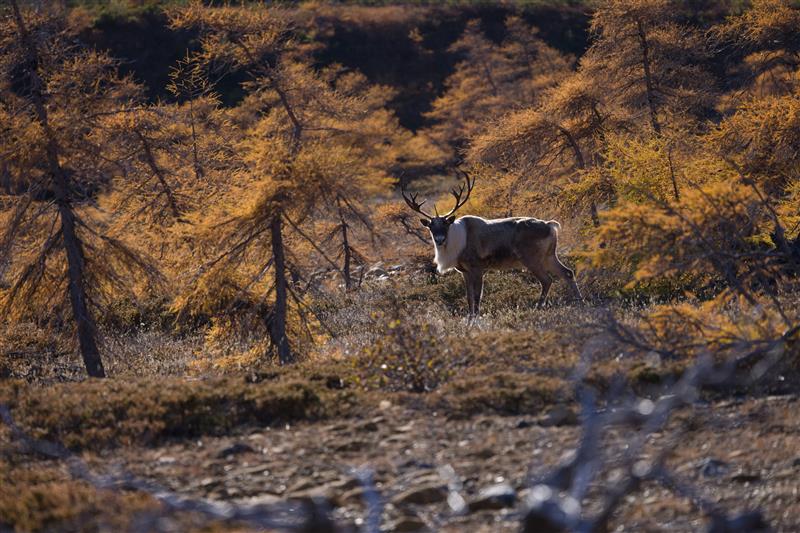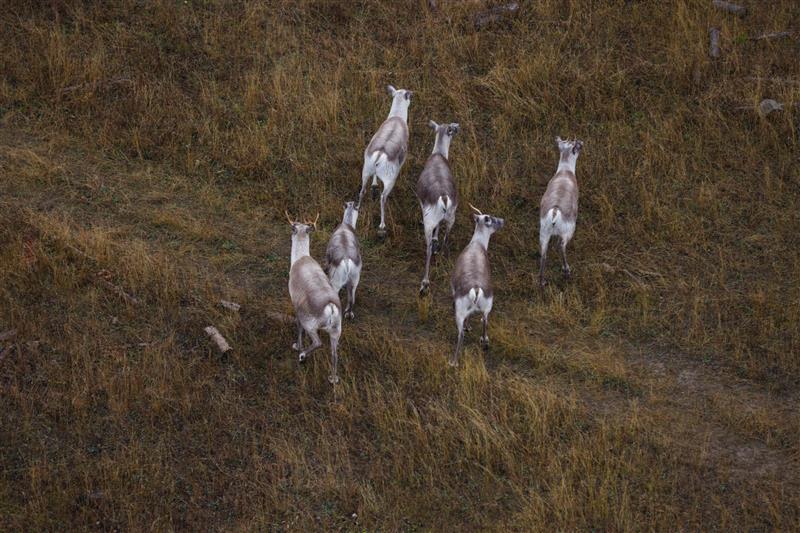
A Big Game Health Monitoring Program is under development for the Island of Newfoundland. This initiative specifically aims to assess the levels of trace elements, which include heavy metals, that may accumulate in big game animals and examine how these concentrations vary across the Island. Trace element levels may naturally vary across insular Newfoundland due to variation in bedrock and soil composition, which may result in wildlife from specific regions having higher concentrations.
An imbalance of trace elements can negatively impact the health, reproductive success, and survival of wildlife. Elevated levels of trace elements in harvested meat or organs can also pose health risks for human consumption if consumed in large quantities. Although the Wildlife Division, following consultation with Health Canada, does not recommend consumption of liver or kidneys from moose and caribou due to likely high cadmium levels, there is currently no concern regarding the consumption of wildlife meat across the Island of Newfoundland. Through routine monitoring we can ensure our food is safe and protect hunting opportunities for years to come.
Biological samples are currently being collected from moose, caribou, and black bears involved in animal-vehicle collisions for trace element testing. Hunters in future years may be asked for voluntary submissions of biological samples from harvested big game species, such as liver and kidney. Incentives, similar to cooperating hunter crests, will be available for those who participate in the program.
For more information, please contact
Phil Walker, Ecosystem Management Ecologist
Email: philipwalker@gov.nl.ca