

Description, Distribution and Biology
- Atlantic halibut is a groundfish species found throughout the North Atlantic Ocean. In Newfoundland and Labrador, they are commonly found around the Grand Banks, the Scotian Shelf, and in the Gulf of St. Lawrence.
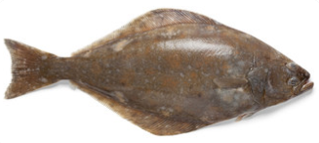
- Atlantic halibut can be recognized by:
- An oval shaped body
- Both eyes are located on the right side of their body
- Green-brown coloring
- A white belly
- Atlantic halibut are among the largest groundfish species, commonly reaching more than two metres in length and up to 100 kg in weight, with exceptional individuals growing beyond 2.5 metres and weighing over 300 kg.
- Atlantic halibut primarily feed on invertebrates such as krill, shrimp, and small crabs, as well as smaller groundfish, including pollock and redfish.
History of the Atlantic halibut Fishery in Newfoundland and Labrador
- Fishing landings of Atlantic halibut have been recorded in Newfoundland and Labrador since the 1960s.
- The Atlantic halibut fishery was unregulated until the late 1980s.
- Atlantic halibut emerged as a valuable commercial fishery in the 1980s and 1990s and became increasingly important after the collapse of the cod fishery.
- Common fishing methods include:
- Bottom Longlines
- Rod and reel
Fun Facts
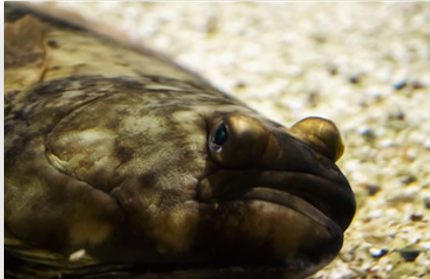
- Atlantic halibut hatch with eyes on both sides of their head, like most fish. As they grow to about an inch in length, the left eye gradually migrates to the right side, giving the fish its distinctive flatfish appearance.
- The scientific name of the Atlantic halibut, Hippoglossus hippoglossus, is derived from Greek words meaning “horse tongue,” a reference to the fish’s elongated shape.