Description, Distribution and Biology
- Greenland halibut (also known as Turbot) is a groundfish commonly found around Newfoundland and Labrador, particularly in the deep waters of the Gulf of St. Lawrence, the Grand Banks, and off the Labrador coast.
- Greenland halibut prefer cold-water habitats with soft seabed’s made up of mud and sand.
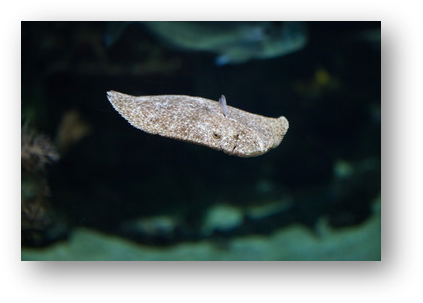
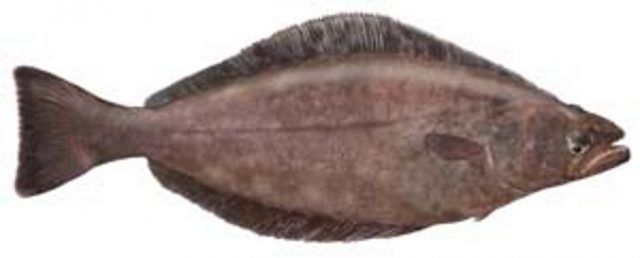
- Greenland halibut can be recognized by:
- A diamond shaped body;
- Both eyes on the right side of its body;
- A straight lateral line; and
- A slightly forked tail.
- Greenland halibut can reach lengths of over one meter, weigh more than 10 kilograms, and live for more than 20 years.
- The primary diet for Greenland halibut mainly consists of sea snails, squid, capelin and northern shrimp.
History of Greenland Halibut in Newfoundland and Labrador
- Fishing for Greenland halibut began in the 1960s and expanded significantly throughout the 1960s and 1970s. Historically, the fishery has been conducted by both the inshore and offshore sectors.
- Following the collapse of Atlantic cod in the early 1990s, Greenland halibut became an increasingly important groundfish species for Newfoundland and Labrador harvesters.
- Common fishing methods include:
Fun Facts
- Mature female Greenland halibut are larger than the males.
- Unlike most flatfish, which spend their lives on the ocean floor, Greenland halibut are active swimmers that often move through the water column to feed.