

Description, Distribution and Biology
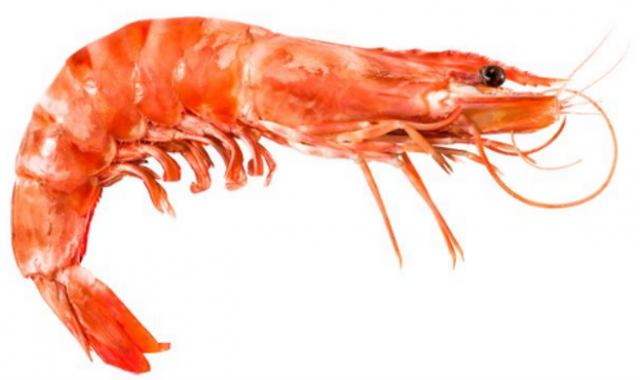
- Northern shrimp are a deep, cold-water shellfish species that can be recognized by several distinctive features:
- Four feeding legs and six walking legs, along with a tail equipped with pleopods (swimming legs) that help them move quickly to escape predators.
- A small body that ranges in colour from pink to reddish-pink.
- A hard outer shell that provides protection and must be shed periodically as the shrimp grows
- Northern shrimp are found in deep waters off the province’s west and northeast coasts, as well as along the Labrador coast.
- Northern shrimp are generally small, averaging about seven (7) cm long, with larger individuals growing up to 15 cm in length.
- Northern shrimp feed by filtering tiny food particles from the water using specialized appendages on their legs. They feed primarily on small crustaceans and other zooplankton.
History of the Northern Shrimp Fishery in Newfoundland and Labrador
- Northern shrimp fishery in Newfoundland and Labrador started over 50 years ago in the Gulf of St. Lawerence and off the Northeast coast of the province before expanding along the east coast of the province.
- Today, the northern shrimp fishery is one of the largest fisheries in the world, currently worth about half a billion dollars.
- The Northern shrimp fishery is comprised of both offshore and inshore fishing operations, supporting harvesters in a range of regions throughout Newfoundland and Labrador.
- Commercial fishing methods include:
Fun Facts
- Female northern shrimp grow larger than males, a characteristic common among many shrimp species.
- Northern shrimp have an unusual life cycle: they begin life as males and, after a few years, transform into females to reproduce.
- Northern shrimp rely on their long antennae to gather information about their surroundings, helping them find food and avoid danger.